
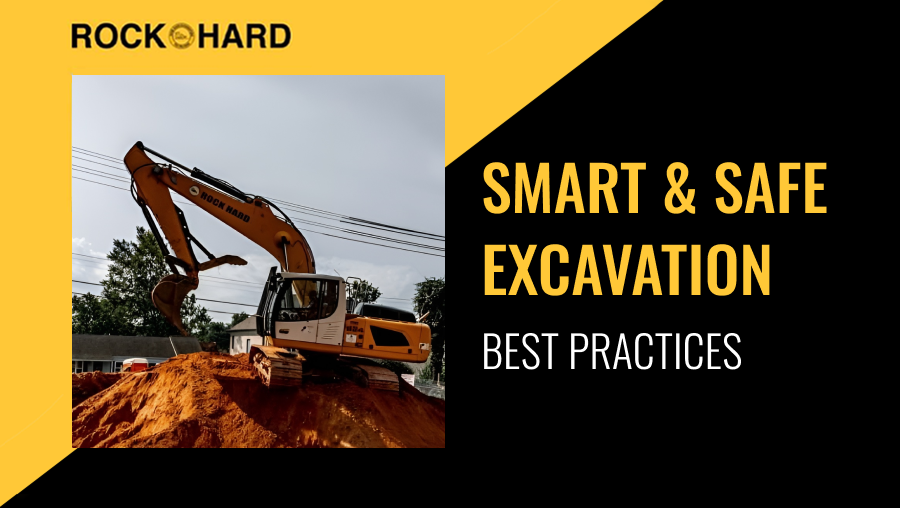
Excavation is a critical phase in any construction project; it sets the foundation for everything that follows. But it’s also one of the most hazardous phases if not done correctly. According to the Occupational Safety and Health Administration (OSHA), trench collapse accidents alone cause dozens of fatalities each year and numerous injuries across U.S. job sites. That’s why following industry-recognized excavation best practices is essential for creating a safe, compliant, and productive job site.
Whether you’re managing a large-scale commercial build or a residential development, understanding excavation protocols can help minimize risks, reduce costs, and improve project outcomes.
Let’s dive into what it takes to run a secure and successful excavation project and how experienced excavating contractors make all the difference.
Why Excavation Safety and Efficiency Matter
Excavation involves more than digging holes or moving dirt. It includes activities such as trenching, grading, backfilling, compacting, and preparing utility lines. When done poorly, these tasks can lead to:
- Costly project delays
- Soil instability and erosion
- Equipment damage
- Regulatory fines
- Worker injury or death
By applying the right practices from the start, excavating companies can mitigate these risks and ensure your project runs smoothly from the ground up.
Conduct Thorough Pre-Planning
The first step in excavation best practices is meticulous pre-planning. This phase includes site surveys, soil testing, utility locating, and risk assessment. Soil conditions can vary significantly even within short distances, so understanding the makeup of the terrain is vital.
Checklist for Pre-Excavation Planning
- Conduct a geotechnical study to assess soil stability
- Identify all underground utilities (call 811 before digging)
- Determine equipment needs based on job scope and soil type
- Acquire necessary permits and ensure local code compliance
- Establish clear site boundaries and no-entry zones
Utility Locating: A Non-Negotiable Step
One of the most overlooked yet crucial practices is utility locating. Striking a gas line, water main, or electrical conduit can lead to hazardous and expensive consequences. Professional excavating contractors utilize advanced tools, such as ground-penetrating radar (GPR) or electromagnetic locators, to ensure that no line is left unidentified.
Tip: Always schedule utility marking with local authorities or services at least 48–72 hours prior to excavation beginning.
Use the Right Equipment for the Job
Efficiency and safety both hinge on choosing the right excavation tools. For small, shallow digs, a mini-excavator may be sufficient, while large commercial jobs may require dozers, backhoes, or trenchers. Skilled excavators know how to match the machine to the task and terrain.
Additionally, regular equipment inspection and maintenance are non-negotiable. Machinery failures on-site are not only time-consuming but also dangerous. Always verify that all equipment is functioning properly before use each day.
Protect Workers in Trenches
OSHA requires protective systems for trenches deeper than 5 feet, unless they are entirely made of stable rock. These systems may include:
- Sloping: Cutting back trench walls at an angle.
- Shoring: Using supports to prevent cave-ins.
- Shielding: Using trench boxes to protect workers.
It’s also essential to:
- Keep materials and equipment at least 2 feet away from trench edges
- Provide safe access and egress (e.g., ladders, ramps)
- Monitor trenches regularly, especially after rain
Supervisors should always ensure that a competent person is on-site to inspect conditions and oversee safety compliance.
Manage Water Accumulation
Water is one of the most common challenges in excavation. From heavy rainfall to a high water table, unmanaged water can cause soil instability and trench collapse. Best practices for managing water include:
- Installing sump pumps
- Using drainage channels
- Scheduling excavation during drier seasons (if possible)
- Applying waterproof sheeting or liners
Effective water management doesn’t just protect your crew; it also protects the site’s structural integrity.
Erosion Control and Environmental Compliance
Excavation disturbs the earth, making it susceptible to erosion and sediment runoff. This runoff can harm nearby water sources, leading to environmental fines and project shutdowns. Implementing erosion control measures is not only a best practice but also a legal requirement in many municipalities.
Common strategies include:
- Silt fencing
- Erosion control blankets
- Mulching and hydroseeding
- Retention ponds or check dams
When you hire a trusted excavation company, you can count on them to manage these responsibilities in accordance with EPA guidelines and local stormwater regulations.
Maintain Clear Communication and Site Signage
Safety doesn’t just rely on plans; it relies on people. Clear communication among the crew, project managers, subcontractors, and inspectors is crucial. Use radios, signage, and site maps to keep everyone informed about:
- Excavation zones
- Equipment routes
- Safety hazards
- Emergency protocols
Also, post all necessary warning signs around the excavation site. These should include contact numbers, locations of first aid stations, and access points to trenches.
Follow a Strict Schedule and Monitor Progress
Efficiency comes from tight coordination. Avoid costly delays by using a detailed project timeline, incorporating:
- Equipment delivery dates
- Crew shifts
- Inspection schedules
- Permit deadlines
Track your progress daily and be ready to pivot if unexpected challenges arise, such as weather issues or soil inconsistencies. This flexibility helps keep your excavation both on budget and on time.
Hire the Right Excavating Contractors
The most critical excavation best practice? Hiring the right team. Experienced excavating contractors bring more than machines to the table; they bring expertise, safety knowledge, and problem-solving skills.
Look for contractors with:
- Local licensing and insurance
- References and portfolio of past work
- Knowledge of regional soil and weather patterns
- Transparent pricing and timelines
- A fleet of maintained, high-quality equipment
Why Rock Hard Excavating Is the Name to Trust
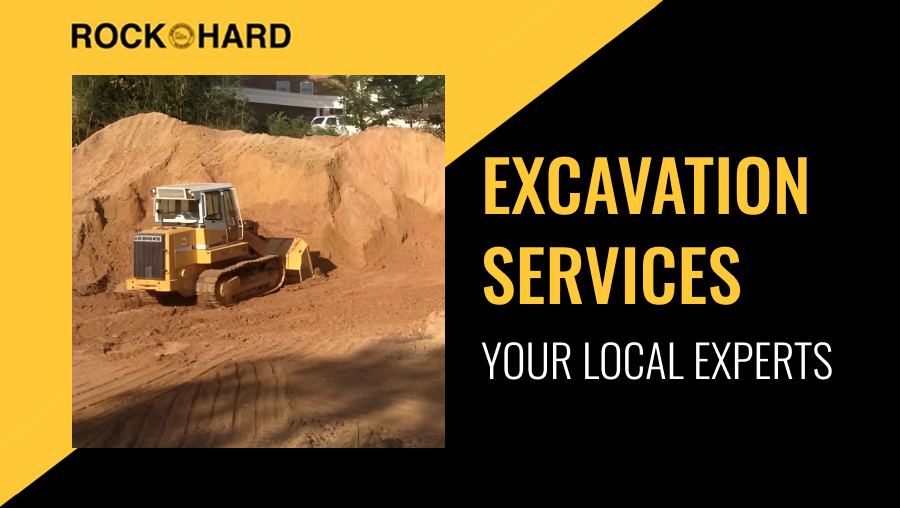
At Rock Hard Excavating, we’ve built our reputation as a reliable, safety-first excavation company serving Northern Virginia since 1977. Whether you’re undertaking a residential project or a large commercial venture, we approach every site with precision, professionalism, and local expertise.
We handle every aspect of the job, from utility locating and grading to trenching, backfilling, erosion control, and debris hauling. Our team operates in full compliance with OSHA and Virginia state regulations, ensuring that your excavation is both safe and efficient.
Need help preparing your job site? We’re just a call away. Contact us today.