
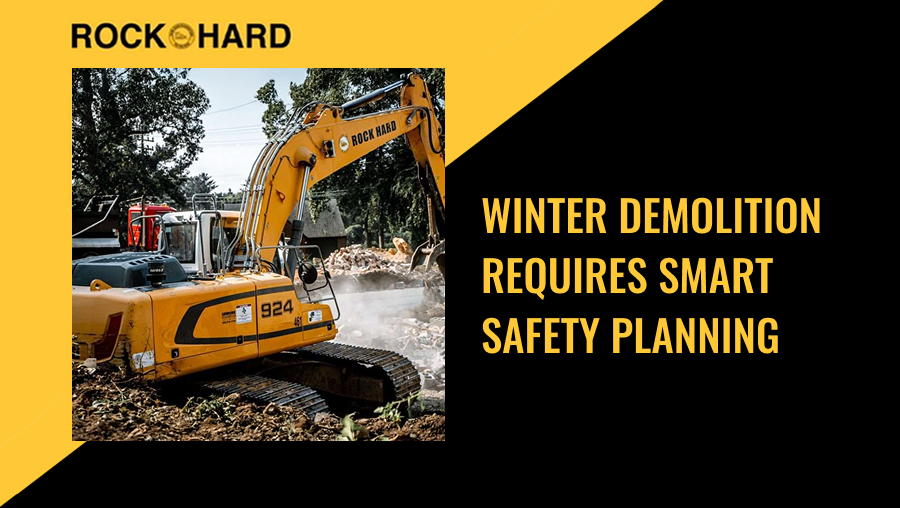
Demolition is never a simple task, but when winter arrives, the process becomes significantly more complex. Snow, ice, freezing temperatures, and unpredictable weather patterns in Northern Virginia create unique challenges that homeowners, builders, and businesses must plan for. Whether you’re clearing a residential structure, removing an old outbuilding, or preparing a site for redevelopment, winter conditions require more planning, specialized equipment, and expert precision.
Working with an experienced demolition contractor ensures the job remains safe, compliant, and efficient, even when the weather works against your timeline.
Below, we dive deep into the challenges of winter demolition and how proper preparation can help you avoid delays, cost overruns, and safety risks.
Why is winter demolition different?
Demolition projects rely on clear visibility, stable ground conditions, and predictable temperatures. Winter disrupts all three.
Major seasonal challenges include
- Frozen ground that resists excavation
- Slippery surfaces that increase equipment hazards
- Shorter daylight hours, reducing productive work time
- Storm delays that interrupt project schedules
- Water and ice infiltration inside structures
While these conditions might make winter seem like the wrong time for demolition, it is often a strategic choice, especially when preparing a property for spring construction. The key is ensuring the project is planned correctly and executed by trained professionals.
Frozen ground makes excavation and debris removal harder
Hard, frozen soil can be extremely difficult to break through. Heavy machinery must work harder, and operators must be more precise because the ground reacts differently to pressure and movement.
How frozen soil affects demolition
- Excavators require more force to break up ground
- Trenches and footings are harder to dig
- Utility lines may be more difficult to locate
- Frozen debris piles are tougher to transport
- Grading the site becomes more challenging
When the soil is stiff and compacted, inexperienced teams may damage underground utilities or disrupt soil structure. This is why hiring skilled and experienced grading contractors is especially important during winter demolition.
Snow and ice increase safety hazards
Safety is the top priority on any demolition site. In winter, the risks multiply.
Common cold-weather hazards include
- Ice on walking paths and equipment platforms
- Snow-covered hazards hidden from view
- Slippery surfaces around the structure being removed
- Reduced traction for trucks and excavators
- Visibility issues during snowstorms or fog
Even a thin layer of ice can cause machinery to slide or lose balance. Professional demolition crews mitigate these risks through site salting, proactive hazard detection, and ongoing monitoring throughout the project.
Structural instability worsens in cold weather
Older buildings or partially damaged structures are already vulnerable during demolition. Winter cold compounds the issue.
Seasonal impacts on building stability include
- Moisture inside walls freezes and expands, weakening materials
- Icicles and ice sheets add weight to roofs and overhangs
- Snow accumulation increases the risk of collapse
- Rapid temperature shifts cause cracking in wood, metal, and masonry
A professional demolition contractor evaluates these risks before beginning any winter project, ensuring the structure is predictable and safe to take down.
Mechanical equipment performs differently in winter
Heavy demolition equipment operates best within specific temperature ranges. When conditions drop below freezing, machines require more maintenance and caution.
Challenges with machinery in winter
- Hydraulic systems thicken and respond slowly
- Diesel engines may take longer to warm up
- Batteries drain faster in cold temperatures
- Tracks and tires have less traction on ice
- Fuel efficiency decreases
To counter these challenges, experienced teams use winter-grade fluids, pre-heating protocols, and specialized winter equipment to maintain productivity and precision.
Shorter days impact project timing
Winter days are shorter, and construction crews have fewer daylight hours to work safely. Demolition projects must therefore be scheduled with efficiency in mind.
How daylight loss affects demolition
- Workdays may need to start later due to frost
- Crews must complete tasks before early nightfall
- Lighting equipment becomes essential
- Inspections and safety checks require more time
When planning winter demolition, contractors develop realistic timelines that include weather-related downtime and shorter work windows.
Storm delays require flexible project scheduling
In Northern Virginia, winter storms can be unpredictable. Snowfall, freezing rain, and rapid temperature swings can quickly delay a demolition project.
Some typical winter weather delays are
- Snow removal needed before work can continue
- Equipment must be re-inspected after storms
- Ice accumulation may pause demolition activities
- Soggy thaw conditions may require waiting for drainage
Seasoned demolition professionals build weather contingencies into their project plans and communicate clearly with property owners to keep expectations realistic.
Environmental regulations still apply even in winter
Demolition must always meet local, state, and federal regulations. Winter doesn’t pause permitting requirements or environmental compliance.
Key regulatory considerations
- Proper disposal of hazardous materials
- Erosion control during thaw cycles
- Dust mitigation, even in cold temperatures
- Noise control during shorter work windows
- Compliance with utility shut-offs
In fact, winter runoff issues can worsen erosion risks. This is why demolition and grading often go hand-in-hand, especially when preparing the site for redevelopment.
Efficient debris management becomes more complicated
Cold weather affects debris removal and sorting. Some materials freeze together, while others become heavy and brittle.
Cold-weather debris challenges
- Frozen roofing materials become harder to separate
- Snow-covered debris must be cleared before transport
- Ice can hide nails, wires, and hazards
- Heavy, frozen debris requires more lifting power
Proper sorting is crucial for meeting recycling requirements and complying with disposal regulations, making winter debris management more labor-intensive.
Working with the right team makes all the difference
Winter demolition requires more than equipment; it requires expertise. A trained demolition contractor understands seasonal hazards, how to mitigate them, and how to deliver safe, efficient results despite the weather.
Benefits of hiring experienced contractors
- Accurate pre-planning and site assessment
- Proper equipment and cold-weather protocols
- Safe handling of utilities and structural hazards
- Efficient debris removal despite snow or ice
- Seamless integration with grading and excavation work
For projects that lead into spring construction, winter demolition can actually speed up your overall timeline if handled correctly.
Rock Hard Excavating: Trusted Winter Demolition Experts for Over 45 Years

For more than 45 years, Rock Hard Excavating has provided safe, reliable, and efficient demolition services across Northern Virginia, including areas like Alexandria, Arlington, Reston, McLean, Fairfax, and surrounding areas. As seasoned demolition contractors, we understand the unique challenges of working in winter and know how to plan for snow, ice, and unpredictable conditions.
Our team specializes in:
- Residential and commercial demolition
- Site clearing and debris removal
- Winter-safe excavation
- Grading and soil preparation
- Utility disconnects and safety protocols
Working with professional grading contractors ensures that once demolition is complete, your site is properly prepared for the next phase, even in cold weather.
When safety, efficiency, and winter readiness matter, we deliver unmatched expertise. Contact us today to know more.
FAQs
1. Can winter demolition cost more than demolition in warmer months?
Yes. Winter demolition may require additional equipment, heating solutions, snow removal, and specialized safety measures, which can increase costs slightly.
2. Is it safe to demolish a building in snow or freezing temperatures?
It can be, but only with proper planning. Professional teams assess weather risks daily and only proceed when conditions allow safe operation.
3. How do contractors prevent accidents on icy demolition sites?
They use salt, sand, heat mats, proper lighting, and continuous monitoring to keep walking and operating areas safe throughout the project.
4. Does winter demolition affect neighboring properties?
With proper erosion control, debris management, and structural safety assessments, the impact on surrounding properties is minimal.
5. Should a property owner be on-site during a winter demolition?
It’s not required. Most owners prefer to stay indoors while contractors handle the demolition and provide updates as the project progresses.