
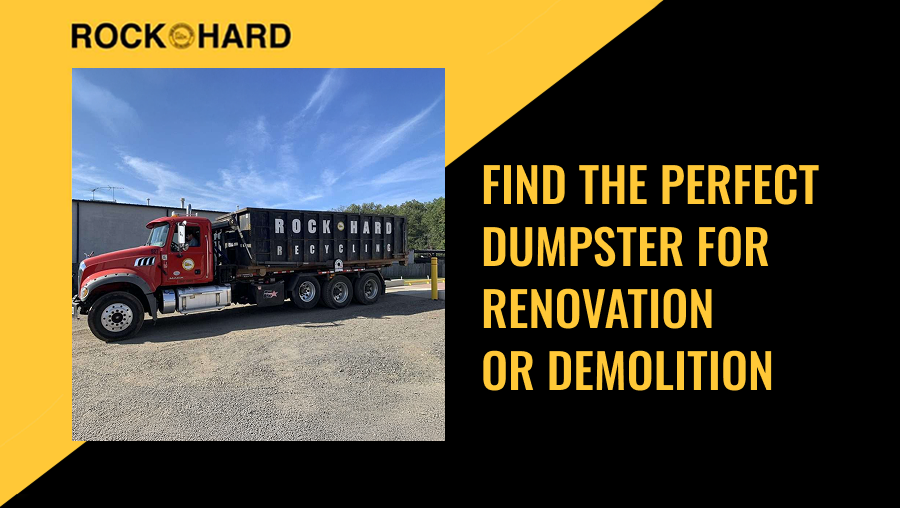
Embarking on a demolition or renovation project is exciting, but managing the resulting debris can quickly become overwhelming. A key element to keeping your project organized, safe, and on budget is choosing the right dumpster size. The right dumpster ensures efficient waste removal, reduces the need for extra trips, and prevents project delays.
Selecting a dumpster isn’t just about picking the biggest container available. A dumpster that is too small will fill up quickly, necessitating multiple pickups and resulting in increased costs. Too large, and you may pay for unused space.
By understanding the scale and type of debris in your project, you can make an informed decision.
Why Dumpster Size Matters
Proper dumpster selection impacts more than convenience. It affects:
- Safety: Overfilled dumpsters create hazards, especially when heavy materials are involved.
- Cost-efficiency: Renting the correct size avoids extra fees for overweight or additional pickups.
- Project timeline: A properly sized dumpster prevents delays caused by insufficient waste space.
Choosing a dumpster that fits your project’s specific needs ensures smoother execution from start to finish.
Common Dumpster Sizes
Dumpster sizes are usually measured in cubic yards. Here’s what’s commonly available
-
10-yard dumpster
Best suited for small home renovations or cleanouts, such as bathroom remodels or the removal of a small deck. Handles roughly 3–4 pickup truck loads.
-
20-yard dumpster
Perfect for medium-sized projects, like kitchen renovations or removing multiple rooms’ worth of debris. Holds about 6–7 pickup truck loads.
-
30-yard dumpster
Ideal for larger home renovations or demolition projects, including garage or attic clearouts. Accommodates 10–12 pickup truck loads.
-
40-yard dumpster
Used for major commercial projects or full-home demolitions. Can handle up to 14–16 pickup truck loads.
Pro tip: Heavier debris, such as concrete, bricks, or tile, may require a smaller dumpster to avoid exceeding weight limits. Conversely, lighter materials like drywall or wood allow for a larger container.
How to Choose the Right Dumpster Size
1. Assess Your Project Scope
Start by evaluating the size and type of your project. Consider
- Square footage affected by renovation or demolition.
- Types of materials being removed (wood, concrete, metal, drywall).
- Volume of debris expected.
Making a rough estimate helps narrow down which dumpster sizes are practical for your needs.
2. Consider Debris Weight
Not all dumpsters are built to handle heavy materials. For instance, a 30-yard dumpster filled with concrete may exceed weight limits, even if there’s still space.
Check with your provider to understand
- Maximum weight allowances.
- Whether the dumpster is reinforced for heavy debris.
- Potential extra fees for overweight loads.
3. Plan for Contingencies
Renovations rarely go exactly as planned. Extra debris often appears unexpectedly, such as broken cabinets, damaged flooring, or excess drywall. Choosing a slightly larger dumpster can prevent mid-project stress, keep your site organized, and reduce the chance of multiple rentals.
4. Consider Space and Access
Roll-off dumpsters need a flat, stable surface for safe delivery and pickup. Ensure your property can accommodate the dumpster size without blocking access.
- Driveways or streets.
- Emergency access.
- Neighboring properties.
For urban or tighter spaces, a smaller dumpster may be easier to manage, even if your debris is larger in volume.
5. Frequency of Pickup
Depending on your project, you may prefer
- Single-drop rental: The dumpster is delivered, filled, and then picked up at project completion.
- Multiple pickups: For ongoing projects, you can schedule multiple roll-off dumpster pickups to avoid overfilling.
Flexible scheduling can reduce costs and ensure your project stays on track.
Tips for Efficient Dumpster Use
Even with the right dumpster size, how you load it matters
- Segregate materials: Recyclables and metals may reduce disposal fees.
- Load evenly: Distribute weight to prevent tipping or safety hazards.
- Flatten and break down items: Furniture, cardboard, and pallets take less space when broken down.
- Check local regulations: Ensure you comply with placement and material disposal restrictions.
Proper planning ensures maximum use of your rental and avoids unnecessary charges.
Why Choose Rock Hard Excavating

For over 45 years, Rock Hard Excavating has served Northern Virginia with top-tier demolition and excavation services. Our team offers
- Expert advice to select the perfect dumpster size.
- Safe and timely delivery of roll-off dumpsters and construction dumpsters.
- Efficient debris management tailored to your project type.
Whether you are undertaking a small home renovation or a major demolition, we make waste disposal simple and stress-free. Our experience ensures you get the right dumpster for the right job, every time.
Contact us today to know more.
Frequently Asked Questions
1. How long can I keep a dumpster rental?
Most providers offer flexible rental periods from a few days to several weeks. Long-term rentals may be available for extended projects.
2. Can I dispose of hazardous materials in a roll-off dumpster?
No. Hazardous items like paints, chemicals, batteries, and asbestos require specialized disposal. Always check local regulations and consult your provider.
3. How do I estimate the right dumpster size?
List all debris types, approximate volumes, and consider cubic yard equivalents. Your dumpster rental provider can offer guidance based on similar projects.
4. What is the difference between a roll off dumpster and a construction dumpster?
A roll off dumpster is wheeled and designed for general debris. Construction dumpsters are reinforced to handle heavy demolition waste and bulkier materials.
5. Can I schedule multiple dumpsters for a large project?
Yes. For large-scale renovations or demolitions, multiple dumpsters can be rotated to manage debris efficiently, ensuring your project continues without interruptions.