

Demolition projects mark the beginning of something new, whether it’s a modern home replacing an old structure or a commercial site preparing for redevelopment. But beyond the heavy machinery and controlled demolition, there’s a crucial aspect that often gets overlooked: proper waste disposal.
For any demolition contractor, efficient site cleanup and responsible debris management are not just regulatory requirements; they are essential steps toward safety, sustainability, and project success. This is also where having access to reliable dumpster rental services makes debris management easier and more efficient.
The Overlooked Challenge: Waste After Demolition
Every demolition, residential or commercial, generates tons of waste materials like concrete, metal, wood, bricks, glass, and insulation. According to the EPA, construction and demolition debris accounts for nearly 600 million tons of waste annually in the U.S. Without proper sorting and disposal, this waste can quickly end up in landfills, creating environmental hazards.
That’s why professional demolition services must include comprehensive waste management plans. From recycling concrete to safely disposing of hazardous materials, responsible cleanup plays a vital role in every project. With dumpster rentals, contractors can safely collect and transport debris to recycling or disposal facilities, thereby keeping the site clean and clutter-free.
Why Proper Waste Disposal Matters in Demolition
1. Protecting the Environment
Improper disposal of demolition debris can contaminate soil, groundwater, and local ecosystems. Materials like asbestos, lead-based paint, and treated wood release toxins if not handled correctly.
A professional demolition contractor ensures that recyclable materials are separated from hazardous waste, reducing landfill impact and promoting environmental health. Recycling concrete and metal, for example, significantly lowers carbon emissions and supports sustainable construction practices.
2. Ensuring Site Safety
Post-demolition debris, like sharp metal edges, nails, and broken glass, poses serious safety hazards. Left unchecked, they can cause injuries to workers or anyone entering the site later.
Efficient waste removal minimizes risks and keeps the site clear for the next phase of development. This step is especially critical for residential demolition services, where homes are often situated near occupied properties, schools, or public areas.
Using a designated dumpster for debris collection ensures safer, clutter-free zones throughout the demolition process.
3. Meeting Legal and Regulatory Requirements
Environmental regulations require that certain materials be disposed of or recycled in specific ways. Failing to comply can result in substantial fines and project delays.
An experienced demolition contractor is familiar with local waste management regulations and adheres to best practices for hauling, recycling, and disposal. Compliance not only protects your project from penalties but also enhances your reputation as a responsible developer or property owner.
4. Reducing Costs Through Recycling and Reuse
Proper waste management can actually save money. Many materials recovered from demolition sites, such as steel, concrete, and brick, can be crushed, melted, or repurposed for new projects.
Recycling reduces the need for purchasing new materials and lowers the costs associated with hauling and landfill disposal. For commercial projects, these savings can make a substantial difference in overall budgets while improving sustainability metrics.
When combined with dumpster rentals, waste sorting and hauling become even more cost-effective and time-efficient.
5. Streamlining Future Construction Work
A clean and well-prepared site sets the foundation for efficient construction. Removing debris promptly ensures that excavation, foundation, and utility installation work can begin without obstructions.
When cleanup and waste disposal are handled correctly, project timelines remain on track, and coordination between contractors becomes smoother, resulting in fewer delays and improved outcomes.
Residential Demolition: Waste Disposal with a Community Focus
Residential demolition often involves smaller-scale but more sensitive projects such as tearing down old homes, garages, or sheds near existing neighborhoods.
A professional provider of residential demolition services must manage not only the debris but also address community concerns, such as dust, noise, and traffic disruption.
By using advanced equipment, dust suppression methods, and environmentally responsible hauling, contractors ensure that demolition work does not negatively impact nearby residents or local ecosystems.
Commercial Demolition: Managing Complex Waste Streams
On larger commercial projects, waste disposal becomes more complex due to the diversity and volume of materials involved. Office buildings, factories, and retail spaces may contain reinforced concrete, metals, glass panels, insulation, and even chemical residues.
A team offering commercial demolition services plans waste management in advance: identifying recyclable materials, hazardous substances, and disposal facilities. This systematic approach keeps projects compliant and sustainable while maintaining efficiency.
The Rock Hard Excavating Approach
At Rock Hard Excavating, we understand that demolition is more than just tearing down structures; it’s about responsible site transformation.
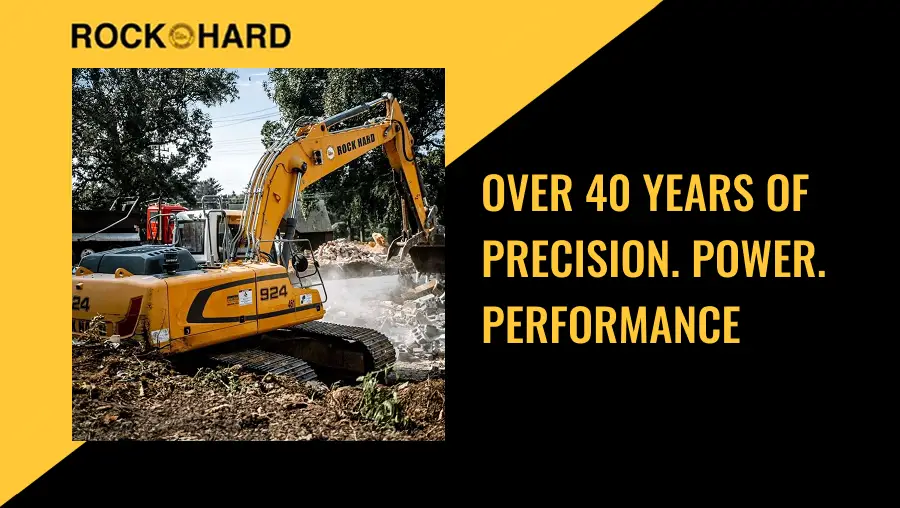
As a trusted demolition contractor in Northern Virginia and surrounding areas since 1977, we handle every aspect of the job, from planning and safety to debris removal and recycling. We also offer convenient dumpster rental services to help clients manage waste effectively throughout the demolition process.
Our team uses advanced equipment to ensure safe, efficient, and environmentally conscious demolition for both residential and commercial projects. Whether it’s a single-family home or a multi-building complex, we make sure every site is left clean, compliant, and ready for the next stage of development.
Why Choose Rock Hard Excavating
- Full-Service Expertise: From demolition and excavation to hauling and waste disposal.
- Licensed & Experienced: Serving Northern Virginia for over four decades.
- Eco-Conscious Practices: Prioritizing recycling and responsible material management.
- Safety-Focused: Protecting workers, neighbors, and the environment on every project.
When you partner with Rock Hard Excavating, you gain more than just a demolition service; you gain peace of mind knowing your project is in expert hands. Contact us today to discuss your project needs and how we can help you.
Frequently Asked Questions
1. What happens to the debris after a demolition?
After demolition, debris is sorted into categories: recyclables (like metal and concrete), reusable items (like wood or fixtures), and waste. Professionals then transport these materials to recycling centers or certified disposal sites.
2. Do I need a permit for demolition and debris removal?
Yes, most jurisdictions require a demolition permit, and certain materials (like asbestos) need special handling permits. A licensed demolition contractor will manage all the necessary permits and ensure compliance.
3. How is hazardous waste handled during demolition?
Materials like asbestos, lead, and treated wood are identified before demolition begins. Certified technicians remove and dispose of them safely in compliance with environmental laws.
4. Can any materials from demolition be reused?
Absolutely. Bricks, metals, wood, and even fixtures can be salvaged and repurposed. This helps reduce waste and contributes to eco-friendly construction practices.
5. Do I need a dumpster for small demolition projects?
Even for smaller demolitions, renting a dumpster can save time and keep the site organized. They make it easier to collect, sort, and haul away debris efficiently, especially when space or time is limited.