
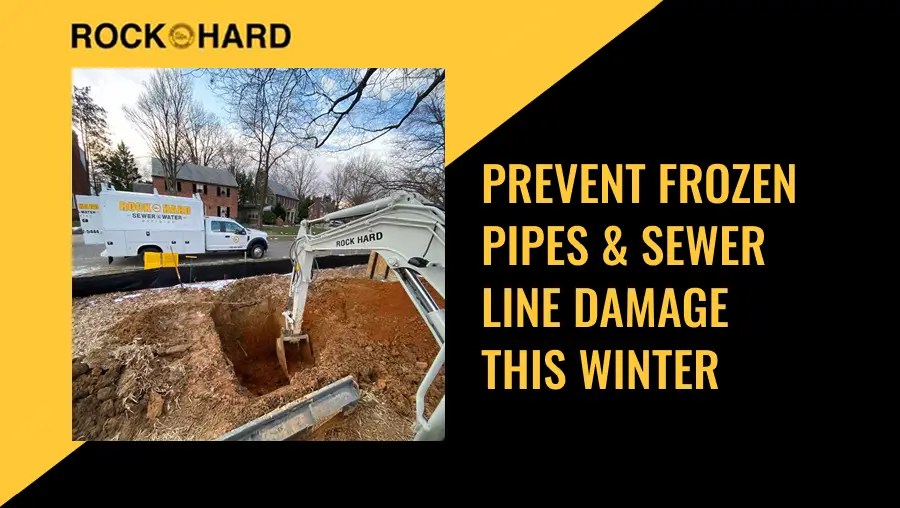
When winter temperatures drop below freezing, your plumbing and sewer systems face serious risks. Frozen pipes and sewer lines can burst, leak, or block water flow, leading to costly damage, water contamination, and unexpected emergencies.
For homeowners and businesses in Northern Virginia, where winter conditions can be harsh, preventing frozen pipes and sewer issues is essential. By taking proactive steps and knowing when to call professionals for sewer services, you can save thousands of dollars in repairs and protect your property’s infrastructure throughout the year.
How Cold Weather Affects Pipes and Sewer Lines
When temperatures fall below 32°F, water inside pipes or sewer lines can freeze and expand. This expansion puts immense pressure on the pipe walls, often causing cracks, bursts, or complete blockages.
Even underground sanitary sewer lines aren’t immune to cold-weather damage. While they’re typically buried below the frost line, poorly insulated or older pipes can still freeze, especially in prolonged cold spells or when water flow is restricted.
Key risks include:
- Cracked or collapsed sewer lines
- Blocked drains and backups
- Burst pipes inside or outside the home
- Flooding and contamination from broken lines
Understanding how cold weather impacts your system helps you take the right preventive actions before the first hard freeze.
Early Signs of Frozen or Damaged Pipes
Spotting the warning signs early can help prevent major plumbing or sewer disasters. Look out for:
- Slow or no water flow from faucets
- Gurgling or bubbling sounds in drains
- Unusual sewer odors in basements or near drains
- Frost on visible pipes
- Damp patches, puddles, or foul smells near your yard or foundation
If you notice any of these symptoms, don’t wait for a complete blockage or burst. Contact a professional offering sewer services immediately to diagnose and resolve the issue safely.
Preventing Frozen Pipes: Simple Steps That Work
1. Insulate Pipes in Vulnerable Areas
Pipes running through basements, attics, garages, and crawl spaces are most susceptible to damage. Use pipe insulation sleeves or heat tape to protect exposed lines. Pay special attention to areas near exterior walls, where cold air can easily seep in.
2. Keep a Steady Flow
Running a trickle of water through faucets connected to exposed pipes keeps water moving and prevents it from freezing. It may slightly increase your water bill, but it’s far cheaper than a pipe replacement.
3. Maintain Indoor Heat
Keep your home or business heated, even if you’re away. Maintaining a minimum indoor temperature of 55°F ensures that warm air circulates around pipes, thereby reducing the risk of freezing.
4. Seal Leaks and Drafts
Cold air entering through wall cracks, windows, or vents can freeze pipes nearby. Use caulk, spray foam, or weatherstripping to seal these gaps before temperatures plummet.
5. Open Cabinets and Doors
In extremely cold weather, open cabinet doors under sinks to allow warm air to circulate around plumbing. This simple step can make a big difference for pipes located near exterior walls.
Protecting Your Sewer Lines from Winter Damage
Frozen or damaged sanitary sewer lines can lead to backups and unpleasant surprises. Here’s how to protect your underground systems during winter:
1. Inspect and Clean Before Winter
Have your sewer lines inspected by professionals before winter begins. Tree roots, grease buildup, and debris can restrict water flow, making pipes more susceptible to freezing. A pre-winter cleaning keeps your system flowing smoothly and prevents blockages.
2. Ensure Proper Drainage
Standing water in the yard or near sewer access points can freeze and seep into joints or cracks. Make sure your property has proper drainage and grading to prevent ice buildup around the lines.
3. Schedule a Sewer Disconnect if Needed
If you’re planning demolition or construction during winter, a proper sewer disconnect is critical. Disconnecting the old line prevents contamination and protects existing sewer infrastructure from freezing damage or backflow. Always have this handled by licensed professionals familiar with local sewer codes.
4. Avoid Pouring Grease Down the Drain
Grease solidifies faster in cold temperatures, increasing the risk of blockages. Dispose of fats and oils in the trash, not the drain, to maintain clear sewer flow throughout winter.
5. Add Insulation for Outdoor Access Points
Sewer cleanouts and vents exposed to open air should be insulated or capped securely to prevent freezing water or snow from entering the system.
When to Call the Professionals
Sometimes, prevention isn’t enough. If you suspect a frozen or damaged pipe or sewer line, avoid DIY solutions like applying open flames or pouring chemicals into the drains; as these can make matters worse.
Instead, call an experienced contractor offering sewer services who can safely thaw, repair, or replace damaged lines. Advanced tools, such as thermal cameras and pipe locators, help identify frozen sections without the need for excavation, saving both time and money.
Professional teams also ensure compliance with local plumbing and environmental regulations, especially for sewer disconnects or line replacements.
How Rock Hard Excavating Can Help
At Rock Hard Excavating, we understand the importance of keeping your plumbing and sewer systems safe during the winter. Our team specializes in sewer services, including new sanitary sewer installations, line repairs, and complete sewer disconnect solutions.
With over four decades of experience, we use advanced equipment to diagnose, repair, and prevent cold-weather damage to sewer lines efficiently and safely.
Since 1977, we’ve been serving homeowners, builders, and commercial clients across Northern Virginia and surrounding areas, ensuring that every project meets the highest standards of safety, durability, and environmental responsibility.
Whether you need help preparing your property for winter or dealing with an unexpected sewer issue, we deliver dependable solutions, ensuring your systems flow smoothly, regardless of the temperature.

Why Choose Rock Hard Excavating
- Proven Expertise: Serving Northern Virginia for more than 45 years.
- Comprehensive Sewer Solutions: From sanitary sewer installation to emergency repairs and disconnects.
- State-of-the-Art Equipment: Efficient and precise work with minimal disruption.
- Trusted Professionals: Fully licensed, insured, and safety-focused on every job.
- Customer Commitment: Honest communication, transparent pricing, and reliable results.
When it comes to protecting your home or business from winter plumbing and sewer disasters, Rock Hard Excavating is the name you can trust. Contact us today to schedule a consultation call.
Frequently Asked Questions
1. How can I tell if my sewer line is frozen?
You may notice slow drainage, gurgling toilets, or sewage odors. In severe cases, no water drains at all. A professional inspection can confirm if freezing or another blockage is the cause.
2. Can underground sewer lines really freeze?
Yes. While buried pipes are insulated by soil, extended cold spells, shallow burial depths, or poor drainage can still lead to frozen sanitary sewer lines, especially in older systems.
3. What should I do if my pipes freeze?
Turn off your main water supply immediately to prevent bursts. Then, contact a professional who can safely thaw the pipes using specialized equipment. Avoid using open flames or hot water.
4. How often should I inspect my sewer lines?
It’s best to schedule an inspection at least once a year, especially before winter. Routine sewer services, including cleaning and camera inspections, help identify small issues before they escalate into major damage.
5. When is a sewer disconnect necessary?
A sewer disconnect is needed before demolishing or rebuilding a property to detach existing lines safely. This prevents leaks, contamination, and damage to surrounding infrastructure that can be caused by cold weather.