
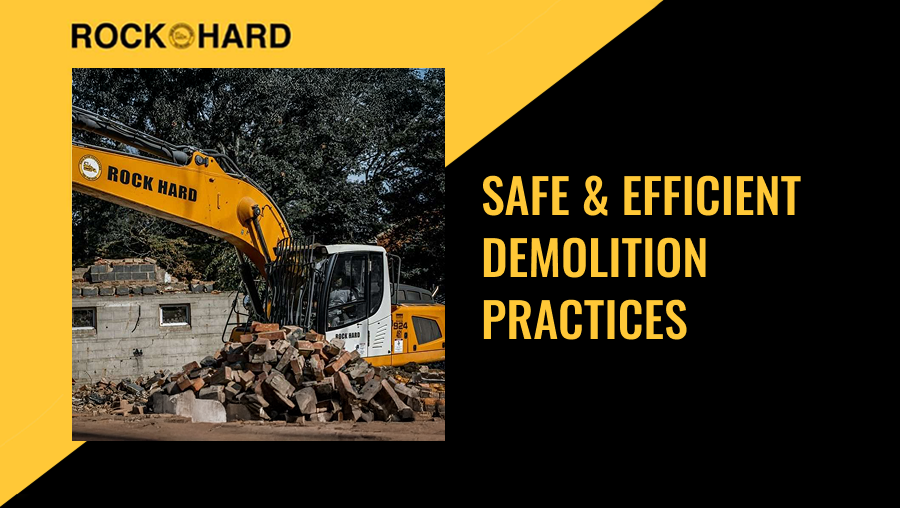
When planning any construction or renovation project, demolition is often the very first step. While it may look like controlled chaos from the outside, demolition is a highly technical process that requires detailed planning and strict safety measures. Done incorrectly, it can result in accidents, property damage, costly delays, or environmental hazards. Done right, it sets the stage for a smooth and successful build.
If you’re preparing to hire a demolition contractor, understanding the safety aspects can help you make informed decisions and avoid complications. Let’s explore the key safety considerations that ensure your demolition project runs efficiently and without unnecessary stress.
Pre-Demolition Planning: Setting the Foundation
Every safe demolition begins with a thorough and well-planned approach. Contractors start by conducting site surveys, reviewing building blueprints, and assessing potential risks. This step is about much more than logistics; it’s about protecting workers, nearby properties, and the environment.
A strong plan includes
- Determining the best concrete demolition method (manual, mechanical, or implosion)
- Identifying areas that may collapse unexpectedly.
- Reviewing fire safety and emergency exits.
- Scheduling work in a way that minimizes disruption to neighbors or nearby businesses.
Failing to plan is planning to fail. When demolition is carefully mapped out, safety issues are easier to control.
Hazard Identification and Risk Assessment
No two structures are alike, and neither are their risks. Before equipment ever enters the site, contractors perform hazard assessments to anticipate dangers such as
- Weak or unstable structures that may fall suddenly.
- Live electrical wiring or gas lines.
- Asbestos, lead, or mold inside walls.
- Falling debris during demolition excavation work.
By spotting these risks early, demolition crews can take preventive steps like shutting off utilities, using scaffolding or shoring, and bringing in specialists to handle hazardous materials safely.
Choosing the Right Demolition Method
Not every demolition job calls for the same approach. The method chosen affects both efficiency and safety. Some of the most common include
- Manual demolition: Used for smaller structures, with workers dismantling by hand.
- Mechanical demolition: Excavators, bulldozers, and cranes handle larger jobs.
- Selective demolition: Carefully removing specific parts of a structure while keeping others intact.
- Implosion: Rare but effective for very large buildings, using controlled explosives.
A seasoned demolition contractor selects the method that best balances safety, cost, and project goals.
Equipment and Technology in Safety
The right equipment makes demolition safer and faster. Machines like excavators, hydraulic breakers, and loaders are designed to handle specific materials and tasks. Using the wrong equipment can slow progress and increase risks.
Today, technology also plays a big role. Drones can perform site inspections, cameras can monitor dust levels, and advanced dust suppression systems minimize air pollution. By combining heavy machinery with advanced technology, contractors deliver safer and cleaner results.
Regulatory Compliance and Safety Standards
Demolition isn’t just about getting the job done; it must be done within the boundaries of federal, state, and local regulations. OSHA standards, environmental laws, and municipal codes govern the demolition process. Compliance ensures
- Proper disposal of hazardous materials.
- Worker safety through protective gear and training.
- Secure perimeters that keep bystanders safe.
- Noise and dust kept within legal limits.
Hiring a contractor that understands and adheres to these standards saves you from legal issues and fines while protecting the well-being of everyone involved.
Waste Management and Environmental Responsibility
Demolition generates tons of debris, including concrete, steel, wood, glass, and more. If not handled responsibly, it can harm the environment. Safe waste management includes
- Sorting and recycling concrete, metal, and asphalt.
- Transporting debris using covered trucks to prevent dust.
- Disposing of hazardous waste at certified facilities.
In fact, modern concrete demolition often involves crushing concrete into reusable aggregate, reducing landfill waste and contributing to sustainable building practices.
Communication and Coordination on Site
A safe demolition project is built on clear communication. Every worker on site should know their role, the day’s plan, and how to report hazards. Daily safety meetings, hand signals, radios, and posted signs help avoid confusion.
When communication breaks down, accidents happen. Strong coordination ensures crews, equipment operators, and supervisors work together seamlessly.
Emergency Preparedness
Even with the best planning, emergencies can occur. Fire, unexpected collapses, or medical incidents require quick responses. That’s why demolition crews prepare with
- Emergency evacuation routes.
- On-site first aid stations.
- Fire extinguishers and sprinklers where needed.
- A chain of command for fast decision-making.
Preparedness not only saves lives but also minimizes project downtime in the event of an incident.
Partnering with the Right Demolition Contractor
Your choice of contractor is the single biggest factor in ensuring safety and peace of mind. Experienced contractors bring proven methods, advanced equipment, and trained crews to every job.
Whether you need selective demolition excavation, full-scale building removal, or specialized services like concrete demolition, the right partner ensures your project moves forward without unnecessary risk. They also handle the paperwork, permits, and inspections.
Why Rock Hard Excavating is Your Trusted Choice
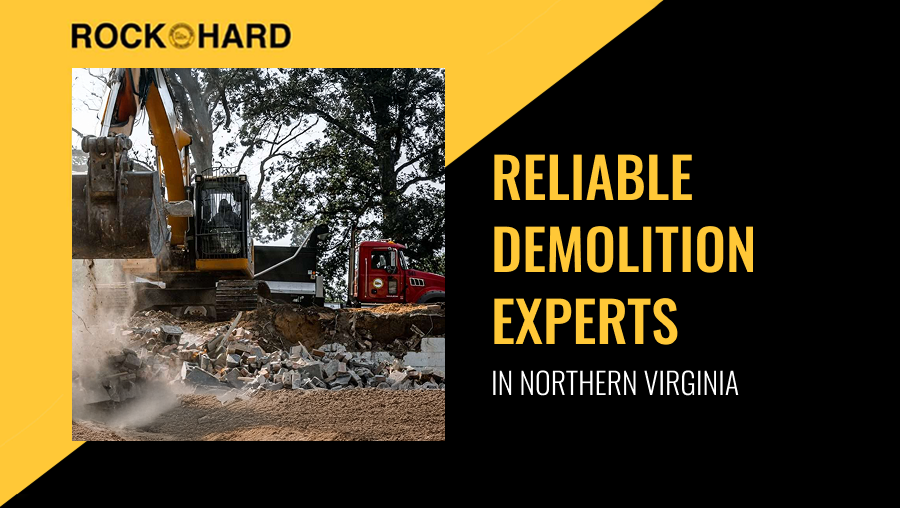
For over 45 years, Rock Hard Excavating has proudly served Northern Virginia with safe and reliable demolition services. Our team is licensed, insured, and equipped with state-of-the-art machinery to handle projects of all sizes.
We specialize in residential and commercial demolition, concrete removal, site preparation, and debris hauling. Safety, efficiency, and customer satisfaction are at the heart of everything we do. With us, you can rest assured your project will be handled responsibly from start to finish.
If you’re ready to begin your demolition project with confidence, Rock Hard Excavating is here to help.
Frequently Asked Questions
1. How much does a demolition project cost?
Costs vary depending on the structure’s size, materials used, and complexity. A professional demolition contractor can provide an accurate estimate after a site evaluation.
2. Can demolition work be done in bad weather?
Heavy rain, strong winds, or snow can make demolition unsafe. Contractors often pause work during extreme weather to ensure safety.
3. What protective gear do demolition workers use?
Workers wear hard hats, steel-toed boots, high-visibility vests, respirators, gloves, and sometimes full-body suits when hazardous materials are present.
4. How do contractors control dust during demolition?
Water sprays, misting systems, and debris covers are commonly used to minimize airborne dust and protect both workers and neighbors.
5. Is it possible to recycle most of the debris?
Yes. Concrete, metal, and wood are often recycled or repurposed, while hazardous materials are disposed of in a safe manner. Recycling reduces costs and environmental impact.