
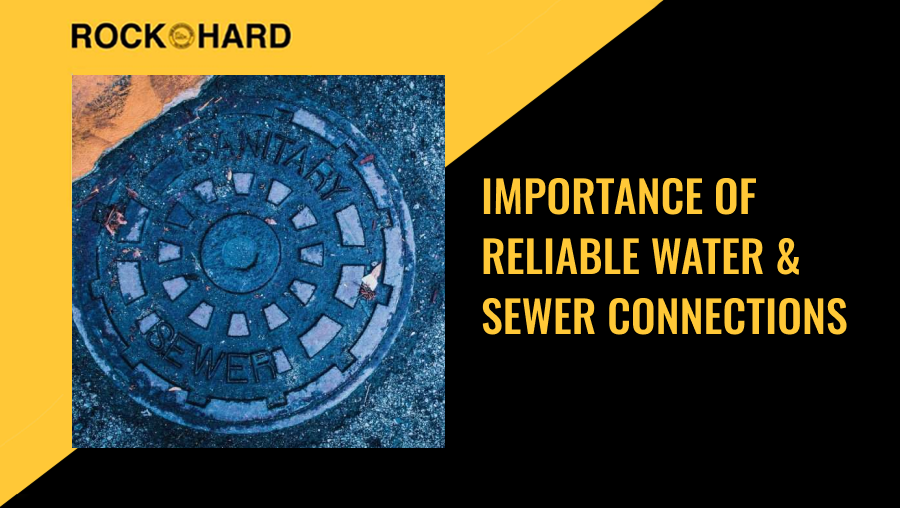
Reliable access to clean water and efficient wastewater removal are non-negotiables for any residential or commercial development. These systems may not be visible, but they are essential to the health, safety, and convenience of every property. At the heart of these systems lies underground utility installation, a complex yet crucial process that ensures your property connects seamlessly to water mains and sewer lines.
According to the American Society of Civil Engineers, the U.S. loses nearly 6 billion gallons of treated water every day due to outdated infrastructure. Poor planning or improper utility installation can lead to costly leaks, hazardous conditions, and frequent service interruptions.
Whether you’re building a new home, remodeling an office, or managing a large-scale development, installing underground utilities correctly is vital. Let’s dive into how the process works, what to watch out for, and how experienced professionals ensure your water and sewer services are set up to last.
What Is Underground Utility Installation?
Underground utility installation refers to the placement of essential services, including water lines, sewer lines, gas lines, storm drains, and electrical conduits, below the ground surface. These utilities are typically installed before construction begins to ensure that everything above ground functions as expected.
The most common utility installations include:
- Water service lines
- Sanitary sewer lines
- Stormwater drains
- Irrigation systems
- Gas and electrical conduits
Each of these requires careful planning, excavation, and placement, often in accordance with city guidelines and permit processes.
The Importance of Proper Sewer Installation
One of the most important underground systems is the sanitary sewer line, which carries wastewater from homes and businesses to municipal treatment plants. Improper sewer installation can cause serious issues such as:
- Backflow and flooding
- Foul odors
- Pipe collapse
- Soil contamination
This is why professional sewer services go far beyond simply connecting pipes. They include slope calculations, pressure testing, and long-term flow analysis to ensure everything works efficiently under various conditions.
Understanding the Sewer Disconnect Process
In some cases, such as demolitions, renovations, or system upgrades, you may need a sewer disconnect. This process involves safely disconnecting a property from the main sewer system.
Local governments typically require permits and inspections for this procedure to avoid disruption to public infrastructure. A professional contractor will cap the lines properly and document the disconnection for local records.
This is a highly specialized service that must be done correctly to avoid leaks, contamination, or future development complications.
Key Steps in Underground Utility Installation
1. Planning and Permitting
Every successful utility installation starts with a detailed site plan. Contractors work with utility providers, municipalities, and engineers to determine:
- Location of existing underground utilities
- Required depth and spacing
- Soil conditions
- Water table levels
Permits are secured to ensure that the work complies with local and state regulations.
2. Utility Locating
Before breaking ground, it’s vital to locate and mark all existing underground utilities. This prevents costly and dangerous mistakes, such as cutting into water, gas, or electrical lines.
3. Excavation
Using advanced excavation equipment, contractors dig trenches to the appropriate depth and width. Soil type, weather, and existing infrastructure all influence excavation techniques. Trench walls are shored or sloped to protect workers and prevent the trench from collapsing.
4. Pipe Placement and Connections
Next, crews install the new water or sewer lines, ensuring precise placement and slope to allow for proper flow. For sewer lines, this typically means a downward grade from the building to the main sewer.
Once in place, lines are connected, tested for leaks, and insulated or reinforced as needed, depending on the conditions.
5. Backfilling and Restoration
After inspection and approval, the trench is backfilled in layers to prevent settling. Compaction tests are often performed to ensure long-term stability. The site is then restored to its original or improved condition, whether that means pavement, landscaping, or foundation prep.
Common Challenges and How to Overcome Them
Even with good planning, underground utility installation can run into obstacles such as:
- Unmapped Utilities: Older areas may contain undocumented pipes or cables. Advanced imaging technology and careful probing can detect hidden utilities.
- Poor Soil Conditions: Loose or waterlogged soil can cause trenches to collapse. Using trench boxes or geotextile fabric can stabilize these areas.
- Access Restrictions: In tight spaces, smaller equipment or hand excavation may be necessary to prevent damage to nearby structures.
Working with experienced excavating contractors ensures that these issues are identified and resolved before they become expensive problems.
Safety First: Compliance and Inspection
Because underground utility work involves potential hazards like collapsing trenches, gas leaks, or electrocution, safety is a top priority. Reputable contractors follow OSHA regulations, use proper trench protection systems, and conduct routine safety meetings.
Additionally, inspections are typically required at multiple stages to verify correct installation, pressure resistance, and environmental safety.
Choosing the Right Team for the Job
When searching for ‘excavating companies near me,’ it’s important to look for:
- Proven experience with underground utility systems
- Licensed and insured professionals
- Familiarity with local codes and soil conditions
- Transparent estimates and timelines
At Rock Hard Excavating, we meet all these criteria and more. With over four decades of experience serving Northern Virginia, our team handles everything from water and sewer line installation to full sewer disconnect services with precision and professionalism.
Trust the Experts at Rock Hard Excavating
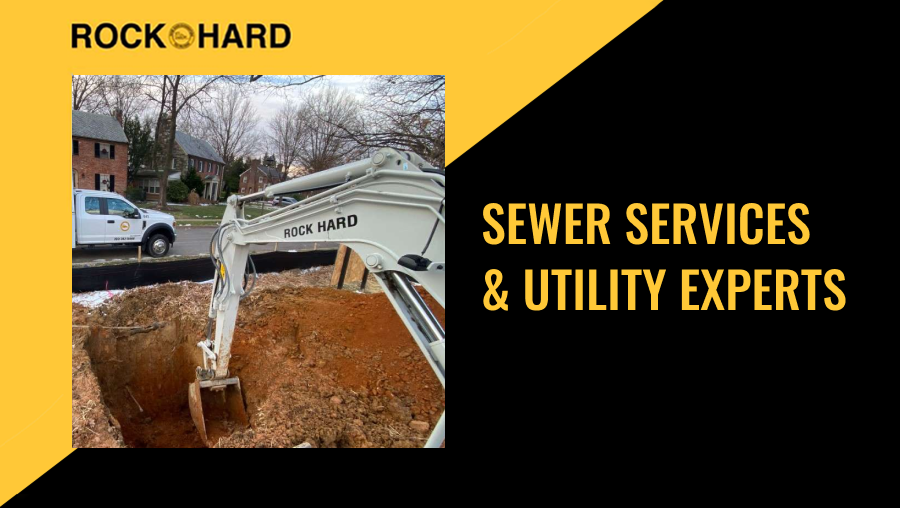
Underground utility installation isn’t just about putting pipes in the ground; it’s about ensuring your home or business has reliable, safe access to water and sewer for years to come. With the right planning, equipment, and expertise, you can avoid costly repairs and delays while setting a solid foundation for your project.
If you’re planning new construction, a major renovation, or need dependable sewer services, trust Rock Hard Excavating to get the job done right. Our team offers end-to-end underground utility solutions throughout Alexandria, Arlington, Fairfax, McLean, and surrounding areas.