

Each year, the U.S. generates over 600 million tons of construction and demolition (C&D) debris, with more than 90% of that coming from demolition alone, according to the Environmental Protection Agency (EPA). Traditional demolition methods contribute heavily to landfill overflow, carbon emissions, and the depletion of reusable building materials. As environmental concerns grow, contractors and property owners are turning toward a more sustainable solution – green demolition, also known as deconstruction.
This eco-friendly approach to tearing down buildings prioritizes recovery, recycling, and reuse over waste. Green demolition reduces environmental impact and can cut costs, preserve valuable materials, and support local communities.
Let’s explore how this sustainable practice works and why it’s gaining momentum in demolition excavation.
What Is Green Demolition?
Green demolition is the process of carefully dismantling structures to maximize the recovery of reusable and recyclable materials. Unlike traditional demolition, which often involves bulldozing and crushing buildings with little regard for salvage, green demolition emphasizes manual disassembly, material separation, and waste diversion.
This process involves sorting out valuable components such as wood, metal, concrete, brick, glass, and fixtures before demolition equipment is brought in. Instead of heading straight to a landfill, these materials are then repurposed, resold, or recycled.
Key Elements of a Green Demolition Process
1. Site Assessment and Planning
Before deconstruction begins, professionals conduct a detailed assessment of the site. This involves identifying salvageable materials, testing for hazardous substances (like asbestos or lead), and preparing a demolition strategy that prioritizes sustainability.
2. Material Salvaging
Salvaging is the backbone of green demolition. Contractors remove reusable items like hardwood flooring, copper wiring, cabinets, doors, and lighting fixtures. These materials often find second lives in other construction projects, donation centers, or resale warehouses.
3. Selective Dismantling
Rather than flattening the entire structure at once, green demolition starts with a selective teardown. Walls, roofing, and support systems are carefully taken apart, piece by piece, to minimize breakage and preserve materials for reuse.
4. Onsite Waste Sorting
Recyclable and non-recyclable materials are separated on-site. For example, concrete demolition debris can be crushed and reused as aggregate for roadbeds or foundation backfill, while metals are sorted and sent to recycling facilities.
Environmental Benefits of Green Demolition
Green demolition significantly reduces the environmental footprint of construction projects. By salvaging and recycling materials:
- You divert thousands of pounds of waste from landfills.
- You lower greenhouse gas emissions by reducing the need for new material production.
- You conserve natural resources, such as timber and minerals.
- You promote responsible disposal of hazardous materials.
According to the EPA, reusing building materials can reduce the demand for virgin resources by 20% to 30%, depending on the project scope.
Financial and Community Advantages
While green demolition may require more labor and time upfront, it can yield notable cost savings in the long run:
- Reduced disposal fees: Less waste means fewer landfill trips and dumping charges.
- Tax incentives and credits: Donations of salvaged materials to nonprofits may qualify for tax deductions.
- Revenue from resale: Valuable materials like antique fixtures or hardwood can generate additional income.
On a broader scale, green demolition supports the local economy by creating recycling, resale, and remanufacturing jobs. It also enhances a contractor’s or property owner’s reputation for sustainability and environmental responsibility.
Green Demolition vs. Traditional Demolition
Traditional demolition is often faster but far less eco-friendly. It typically involves:
- The use of heavy machinery to raze buildings quickly
- A mix of materials dumped into landfills without sorting
- Higher emissions and greater noise/dust pollution
In contrast, green demolition involves:
- Careful planning and selective removal
- Emphasis on recovery and recycling
- A more thoughtful approach to site cleanup and material disposal
The goal is not just to tear down, but to preserve value.
When Is Green Demolition Ideal?
Green demolition works best for projects where:
- The building contains reusable or historic materials
- There is a community goal for environmental stewardship
- Timeframes allow for a more methodical process
- LEED certification or other green building goals are involved
It’s especially common in urban redevelopment, residential renovations, and eco-conscious commercial builds.
How It Ties into Demolition Excavation
Green demolition goes hand in hand with demolition excavation, where proper grading and material removal set the stage for the next construction phase. Once salvage and recycling are complete, excavation contractors can remove debris, handle contaminated soil, and prepare the site for rebuilding, all while keeping sustainability at the forefront.
Additionally, processes like concrete demolition can be performed sustainably by crushing and reusing the rubble as a base layer for new infrastructure, rather than discarding it.
Why Choose a Green Demolition Contractor?
Choosing the right contractor is essential if you want your project to align with sustainable building practices. A qualified green demolition contractor:
- Has experience in safe material removal and sorting
- Understands how to handle and dispose of hazardous materials
- Maintains strong relationships with recycling facilities and resale outlets
- Uses energy-efficient equipment and low-emission machinery
Trust Rock Hard Excavating for Sustainable Demolition
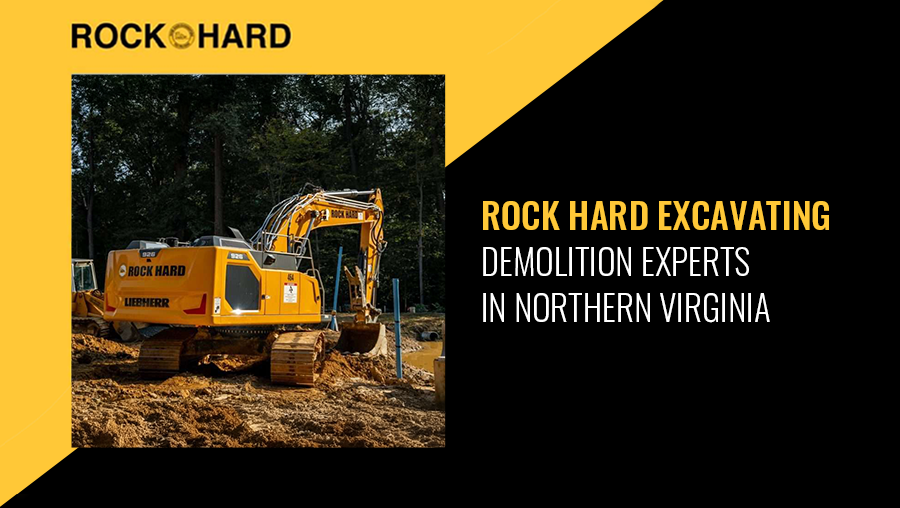
At Rock Hard Excavating, we don’t just demolish; we deconstruct with care. As a trusted demolition company in Virginia since 1977, we understand the value of doing things the right way. Our team combines decades of demolition expertise with modern sustainability practices to offer green demolition services that respect your property and the planet.
We handle everything from residential tear-downs and concrete foundation removal to hazardous material disposal, excavation, and responsible debris recycling. Whether you’re preparing for new construction or clearing an old site, Rock Hard Excavating ensures your project is safe, clean, and environmentally conscious.
Contact us today to know more.