

The construction industry is responsible for an estimated 600 million tons of waste annually in the U.S. alone. With increasing environmental regulations and sustainability goals, reducing waste at construction sites is no longer optional—it’s essential. Implementing waste management strategies can lower costs, reduce landfill impact, and create a greener future.
Waste reduction is not just about environmental responsibility but also about financial necessity. Companies that manage their waste efficiently can reduce expenses related to disposal fees, purchasing excess materials, and inefficient resource use. Sustainable construction practices are becoming a priority for clients, regulatory bodies, and communities.
Here’s how construction companies can effectively minimize waste and improve sustainability on job sites.
1. Plan Efficiently to Minimize Waste
A well-structured plan reduces unnecessary material use. Before starting a project, conduct a waste audit to predict potential waste sources. Order materials in precise quantities to avoid over-purchasing. Partner with suppliers who offer sustainable packaging and bulk deliveries to reduce excess packaging waste.
Project managers should ensure that material orders are accurate by utilizing Building Information Modeling (BIM) software. This digital technology helps construction teams plan their projects with greater precision, avoiding over-ordering and minimizing material waste. Prefabrication techniques can also contribute to waste reduction, as materials are cut and assembled in controlled environments, reducing excess scrap.
2. Reuse and Recycle Materials
Instead of discarding excess materials, look for ways to reuse them on-site. Recycled wood, bricks, and concrete can serve as backfill or be repurposed into new structures. Set up designated bins for recycling metals, plastics, and other reusable materials.
Concrete and asphalt, two of the most common construction materials, can be crushed and reused in roadbeds, parking lots, and other infrastructure projects. Timber offcuts can be repurposed for other construction elements, while metal waste can be melted down and reprocessed for future use. Partnering with specialized recycling facilities ensures that as much material as possible is diverted from landfills.
In Northern Virginia, Rock Hard Excavating’s Dumpster Roll-Off Services simplify recycling efforts by providing efficient waste collection and disposal solutions. Our reliable waste management services ensure that materials are sorted, recycled, and disposed of in compliance with environmental regulations.
3. Deconstruct Instead of Demolish
Selective demolition, also known as deconstruction, allows materials to be salvaged rather than wasted. Windows, doors, fixtures, and lumber can be reclaimed and reused. Demolition projects can generate tons of waste if not handled strategically, making deconstruction an eco-friendly alternative.
Deconstruction not only reduces waste but also creates opportunities for cost savings. Many salvaged materials can be sold or donated to organizations that specialize in repurposing construction materials. Builders can also reintegrate salvaged components into new projects, reducing the demand for virgin materials. At Rock Hard Excavating, our Professional Demolition Services ensure proper sorting of salvageable materials, reducing landfill waste while lowering material costs for future projects.
4. Opt for Sustainable Building Materials
Using eco-friendly materials reduces environmental impact. Choose materials like bamboo, reclaimed wood, or recycled metal, which are sustainable alternatives to virgin materials. Prefabricated materials help minimize on-site waste since they are custom-built offsite, reducing cutting and discarding excess pieces.
Additionally, low-impact construction materials such as rammed earth, straw bale, and engineered wood products can significantly reduce a project’s carbon footprint. These materials require fewer resources to produce, making them a more sustainable option for green construction projects.
5. Improve On-Site Material Storage
Proper material storage prevents damage and contamination that can lead to waste. Keep lumber dry and covered to avoid warping. Store cement and drywall in moisture-free areas to prevent spoilage. Securing materials from theft or vandalism also ensures that nothing goes to waste.
Poorly stored materials can lead to significant losses. Weather exposure, mishandling, and improper stacking contribute to construction waste. Investing in proper storage solutions, such as covered areas, secure containers, and climate-controlled facilities, can preserve materials and extend their usability.
6. Implement Digital Documentation
Paper waste is often overlooked in construction. Switching to digital blueprints, invoices, and checklists eliminates unnecessary paper use and improves efficiency. Many construction management software programs allow teams to collaborate seamlessly without relying on printed documents.
Construction firms can access real-time project updates by utilizing mobile apps, tablets, and cloud-based platforms, reducing the need for printed materials. This transition to digital workflows saves paper and enhances project coordination and communication.
7. Optimize Excavation and Land Clearing Practices
Excess soil, rocks, and debris from excavation work should be reused when possible. Soil can be used for grading or landscaping instead of being discarded. Rock Hard Excavating’s Excavation and Land Clearing Services offer efficient site preparation while ensuring minimal waste disposal.
Land clearing projects should focus on preserving as much of the natural environment as possible. Sustainable land clearing techniques involve selective removal, erosion control, and strategic repurposing of cleared vegetation. Mulching and composting organic waste from land clearing can contribute to soil health and reduce disposal costs.
8. Train Workers on Waste Reduction
A sustainable construction site starts with informed workers. Conduct regular training sessions on waste segregation, recycling protocols, and efficient material handling. When employees understand the impact of their waste-related decisions, they are more likely to follow best practices.
Encouraging workers to be proactive in waste management creates a culture of responsibility. Implementing incentive programs and recognition for waste-reducing efforts can motivate teams to adhere to sustainable practices.
9. Partner with Reliable Waste Management Services
Proper waste disposal and recycling require professional handling. Partnering with an experienced waste management service ensures compliance with regulations and maximizes recycling efforts.
A greener future starts with responsible waste management—take the first step today. Businesses can significantly minimize their ecological footprint by planning efficiently, reusing materials, choosing sustainable options, and working with professionals.
Partner with Rock Hard Excavating for Sustainable Construction
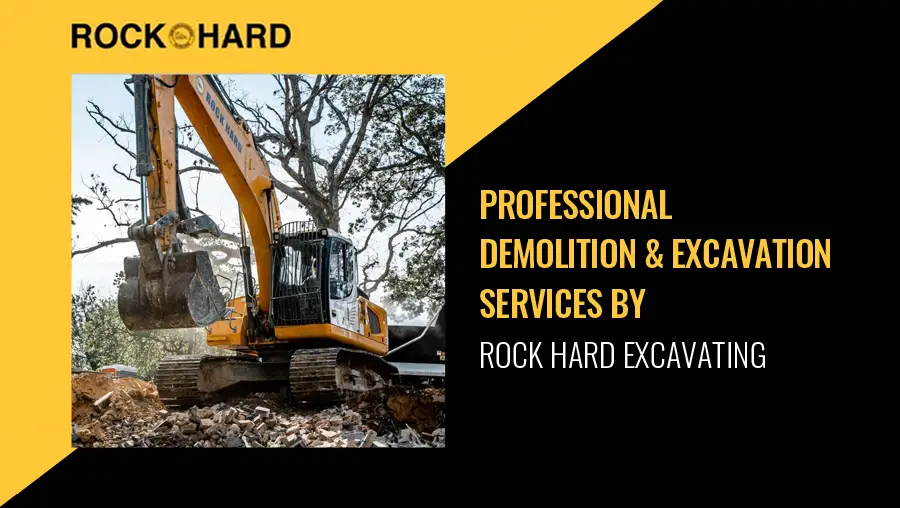
Reducing waste on construction sites is essential for building a more sustainable future. As a trusted site work contractor in Northern Virginia, Rock Hard Excavating offers a full range of services, including demolition, excavation, roll-off dumpster hauling, land clearing, stormwater management, and underground utilities. Our team of skilled professionals ensures that waste is managed responsibly, materials are disposed of properly, and construction sites remain clean and efficient.
With decades of experience, state-of-the-art equipment, and a commitment to sustainable site development, Rock Hard Excavating is the ideal partner for builders and contractors looking to minimize waste and maximize efficiency. Contact us today to experience industry-leading expertise and eco-friendly site work solutions.